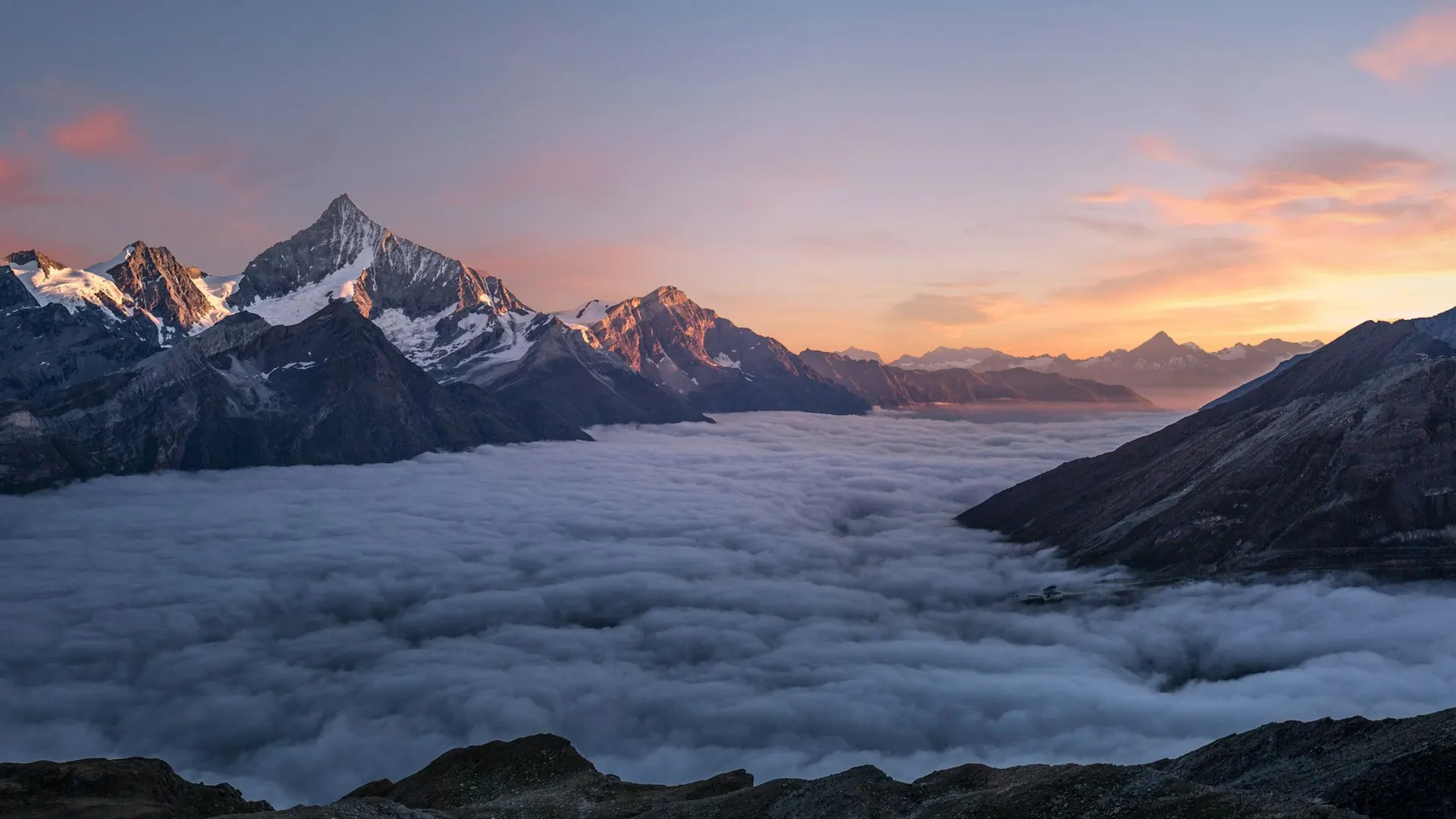
A Yarra Valley wedding gives a photographer landscape, texture and a sky that actually changes. It also gives them a car park, a gravel path, an aunt in heels, and a ceremony that may move rooms after the first reading. The questions you ask should test that whole job, not whether someone can make vines look like vines.
This is not a directory of photographers. Confirm any practitioner yourself.
What questions to ask a wedding photographer
Ask for answers you can compare.
Time. What hours are included, when overtime starts, and whether travel from Melbourne or a regional base is treated as coverage time. A valley day has walking minutes that a city hotel wedding does not.
Light. How they expose in high sun on an unshaded lawn, in a dim barrel hall, and in the last low gold. Ask to see a wedding that is not all sunset.
Weather. What they do when the lawn is abandoned. You want a complete story from an indoor or mixed-weather day: ceremony, groups, dinner, dancing. Highlights from a perfect April afternoon do not answer this.
People. How they run family groups. Who holds the list. How they treat guests who do not want a camera at the table. Whether they will work with a celebrant’s signing moment rather than talking over it.
Team. When they recommend a second photographer, and what that person actually shoots. “Because it feels premium” is not a reason. “Getting ready is in Healesville and the ceremony is a 25-minute drive” might be.
Delivery. Expected timeframe (ask them — do not invent one here), file format, how long the gallery stays online, and what you may do with the images. If you want a parent to print an album, say so.
Style. Editorial, documentary, posed, film, digital — words are slippery. Look at whole galleries. Notice whether they photograph older guests with the same care as the couple.
Writing a valley timeline
Send a one-page timeline that includes driving, not only events. Mark sunset for your date as a fact to check, not as a decorative icon. Mark the legal signing. Mark speeches. If you want portraits away from guests, put a realistic window in, with a wet-weather alternative on the same piece of paper.
If getting ready is at a cottage and the ceremony is on a lawn, someone has to own the gap. Photographers cannot teleport, and they should not be asked to miss the first look because the florist is still wiring a car.
What not to outsource to the camera
Photography will not fix an aisle that faces the sun, a ceremony without amplification, or a reception room with one overhead bulb. Those are venue and hire problems. Use the venue, winery and hire guides to reduce the number of problems you ask a camera to solve.
If videography matters to you, treat it as its own craft: audio on the vows, where a second body stands, and how the two teams share the aisle. Ask current people current questions.
Family groups without a queue that eats the light
Valley light at the end of the day does not wait for a confused list. Write the groups before the week of the wedding. Use names people actually use, not “mum’s side”. Put the list in one person’s hand — not the couple’s, and not the photographer’s memory. A good photographer will still arrange the picture; they should not have to discover who is related to whom while the sun drops behind a ridge.
If you have blended families, say the quiet parts in the notes. If someone must not be in a frame with someone else, write it. If a grandparent cannot stand on grass, choose a verandah for that set. These are hospitality notes that happen to be photographic.
What a full gallery should prove
When you review a photographer’s work, look for:
- A ceremony where faces in the back row are still people
- A dinner where the room has atmosphere and the food is not only overhead flash
- At least one wedding where the weather was ordinary
- Groups that include older guests as subjects, not obstacles
- The legal signing treated as a moment, not a gap
If every image is a couple in vines at sunset, you have seen a highlight reel. Ask for a complete day.
Usage, privacy and guests
Agree what you may publish and what the photographer may publish. Some guests do not want their children on a studio’s social feed. Some cultural ceremonies have limits on cameras during particular moments. Put those limits in the same notes as the timeline.
If you want a parent to print, say so. If you want only a digital gallery, say so. If you need a few files the week after for a thank-you note, ask whether that is possible without inventing a turnaround here.
A valley photographer is, in the end, a timekeeper with a camera. Hire the person who talks about minutes and weather as easily as they talk about light. Then send them the same site packet you send the celebrant. Shared facts are how the pictures stay kind.